
Photojournalism
Images that inform, connect, and document with journalistic integrity.

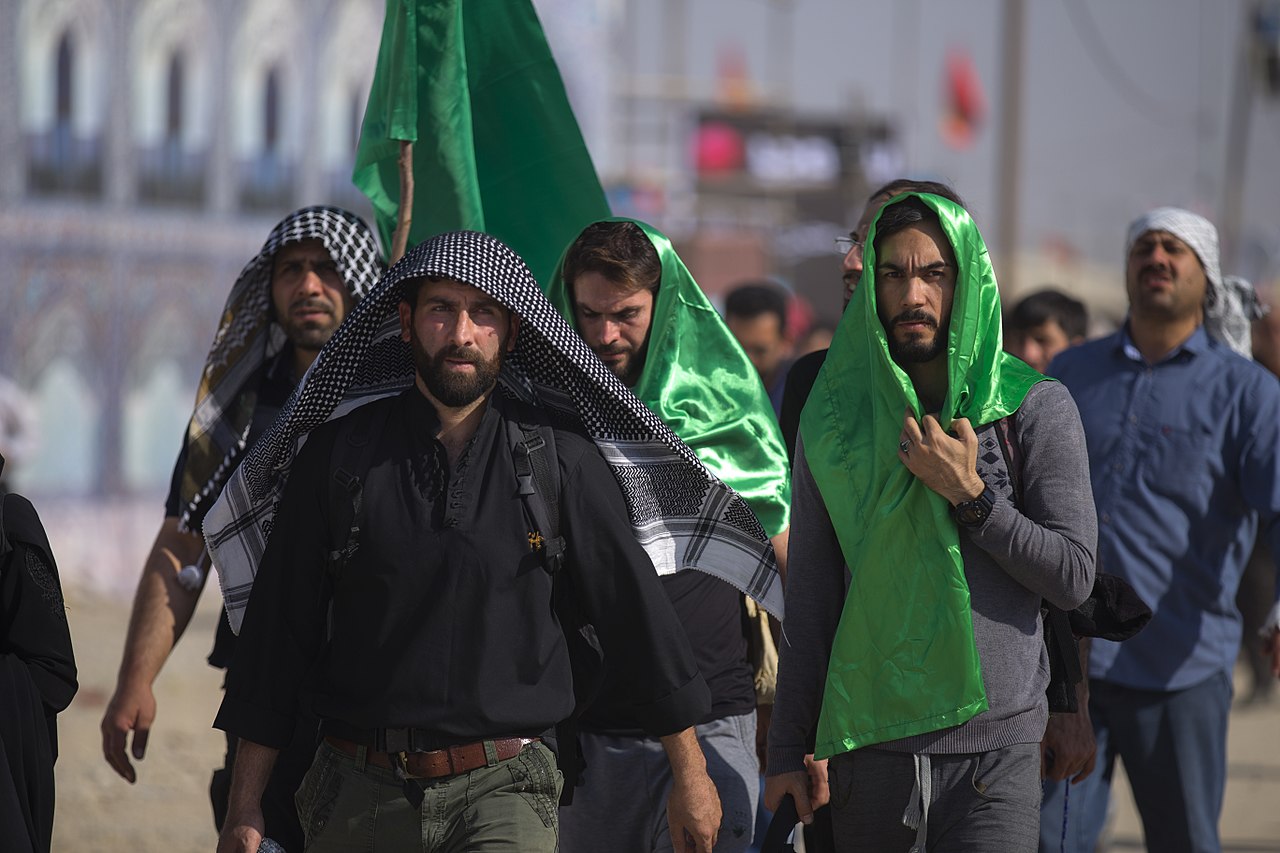
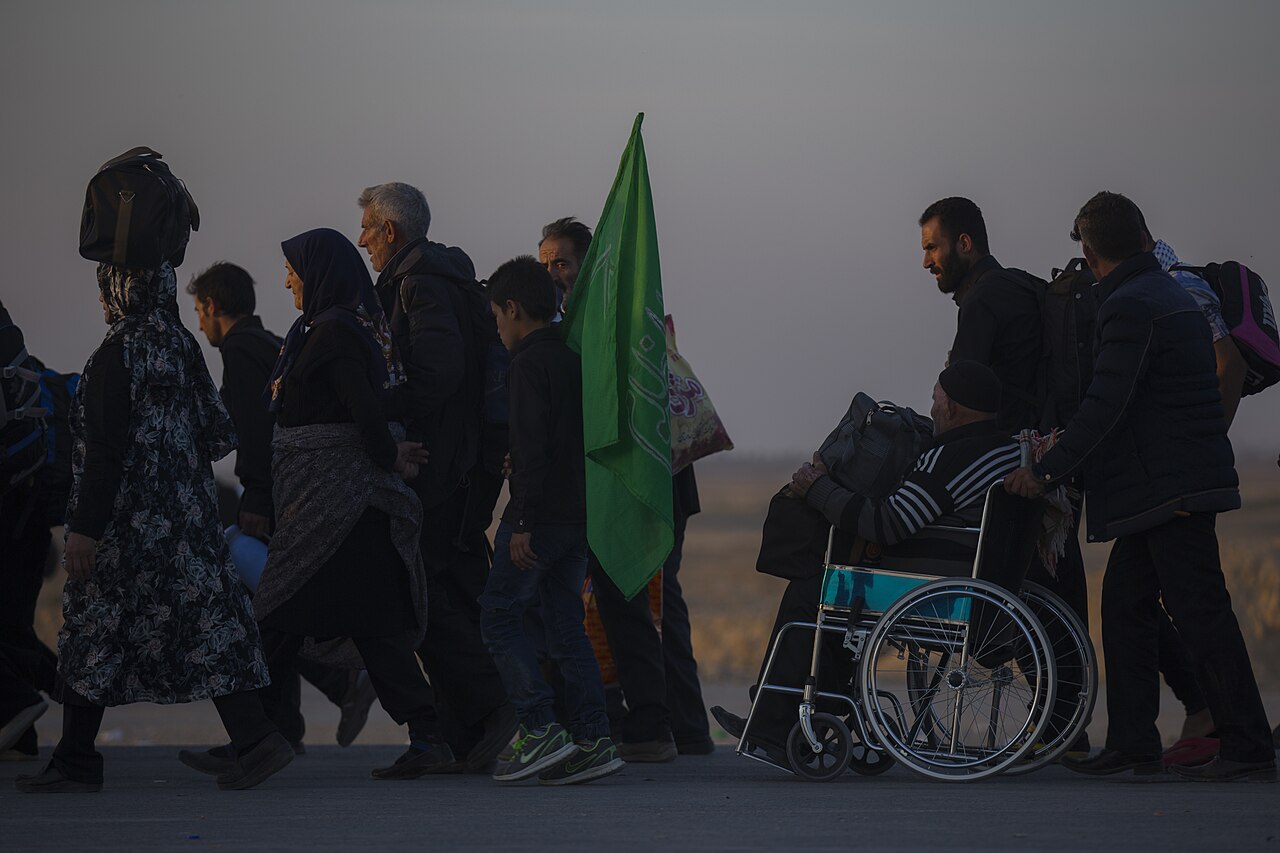
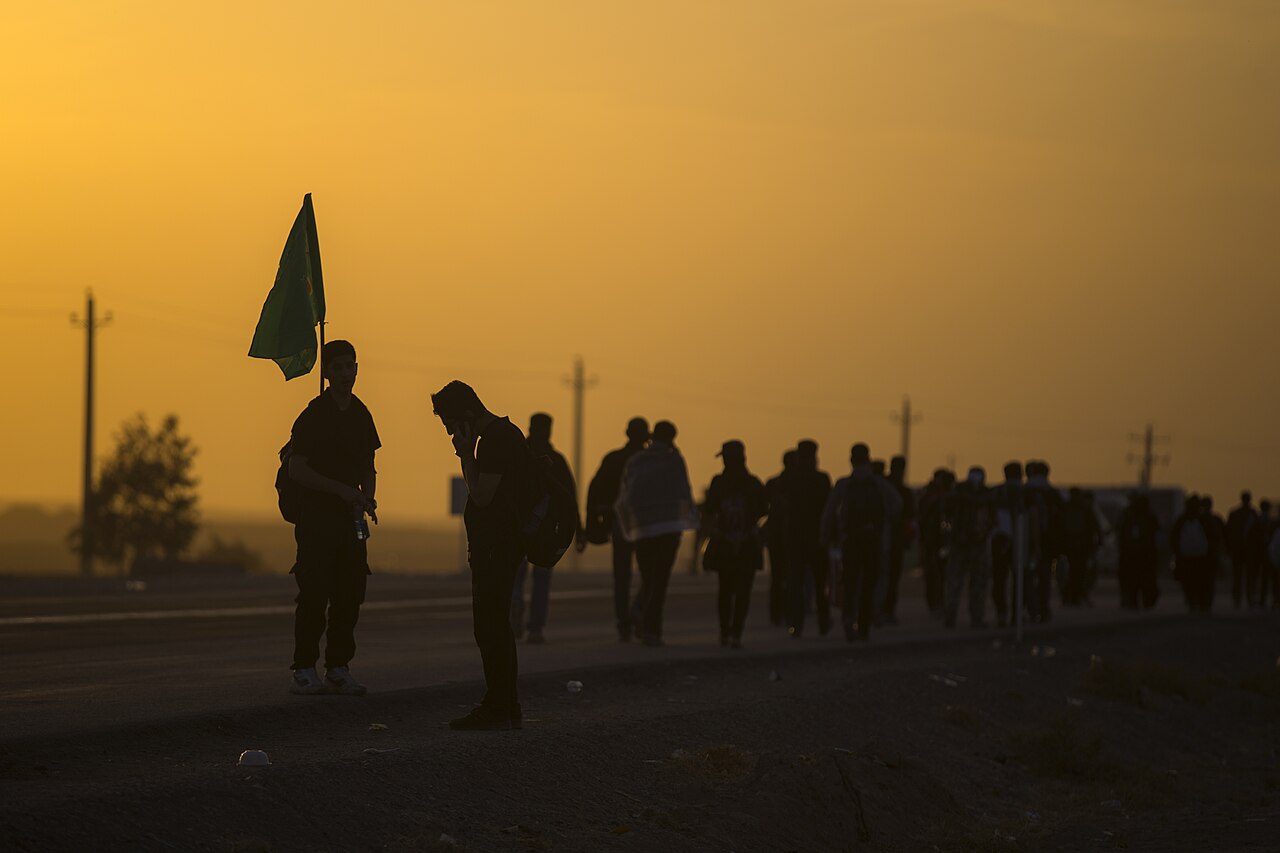
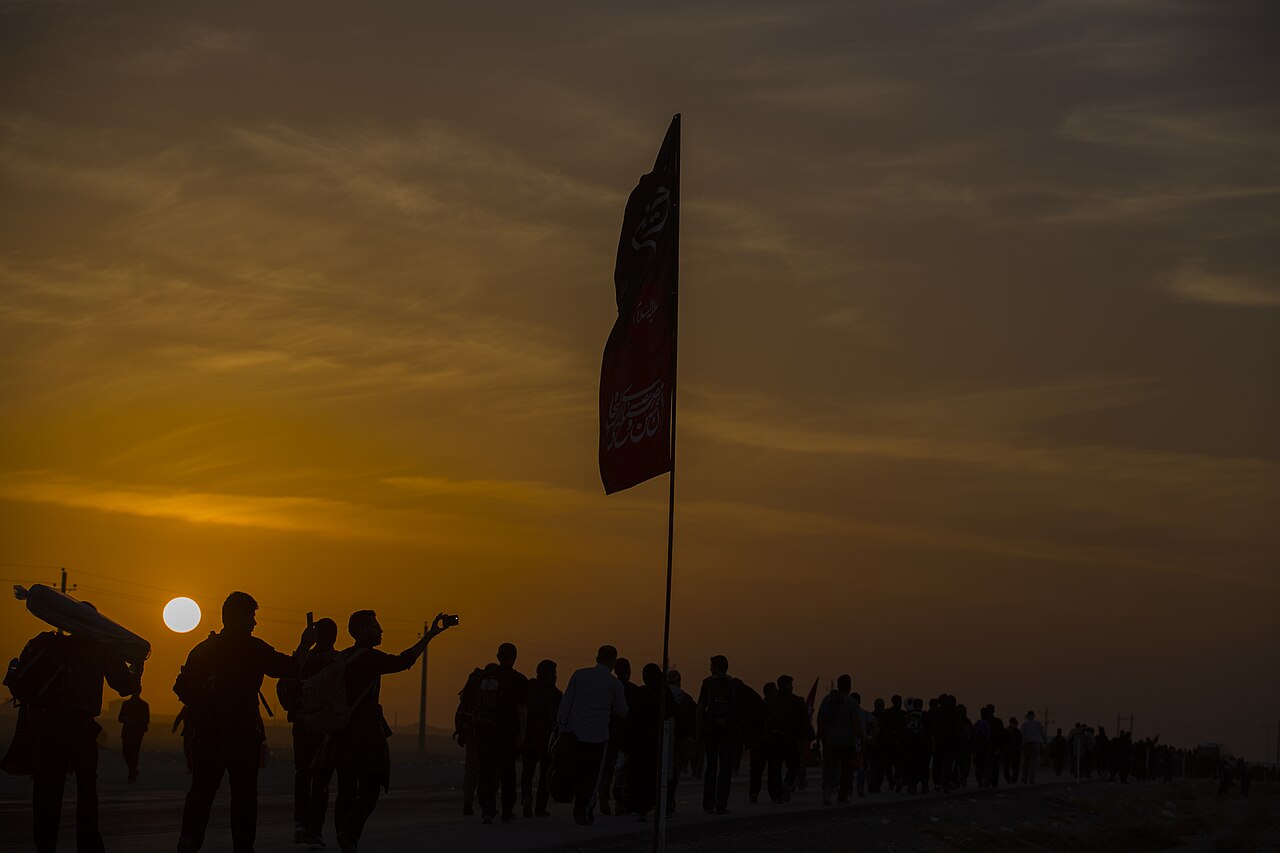
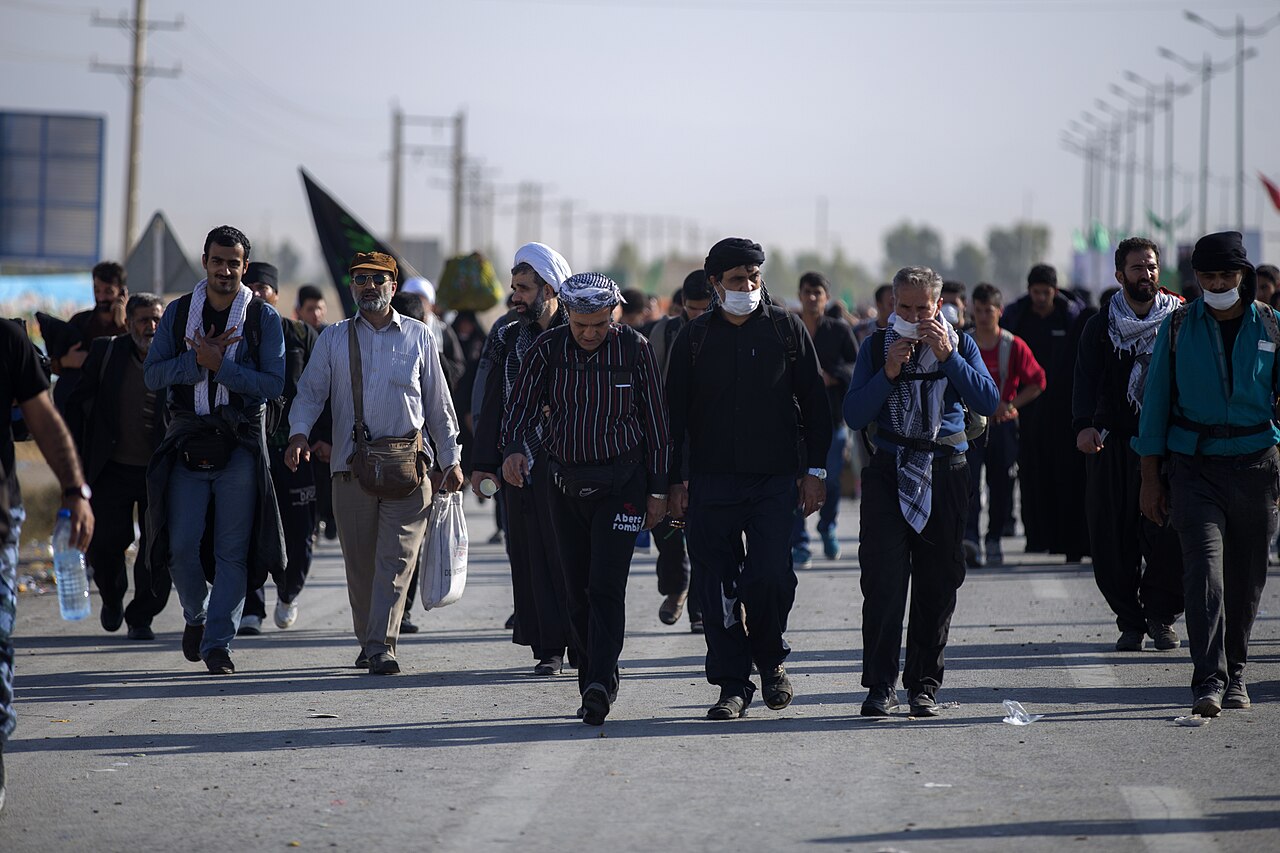
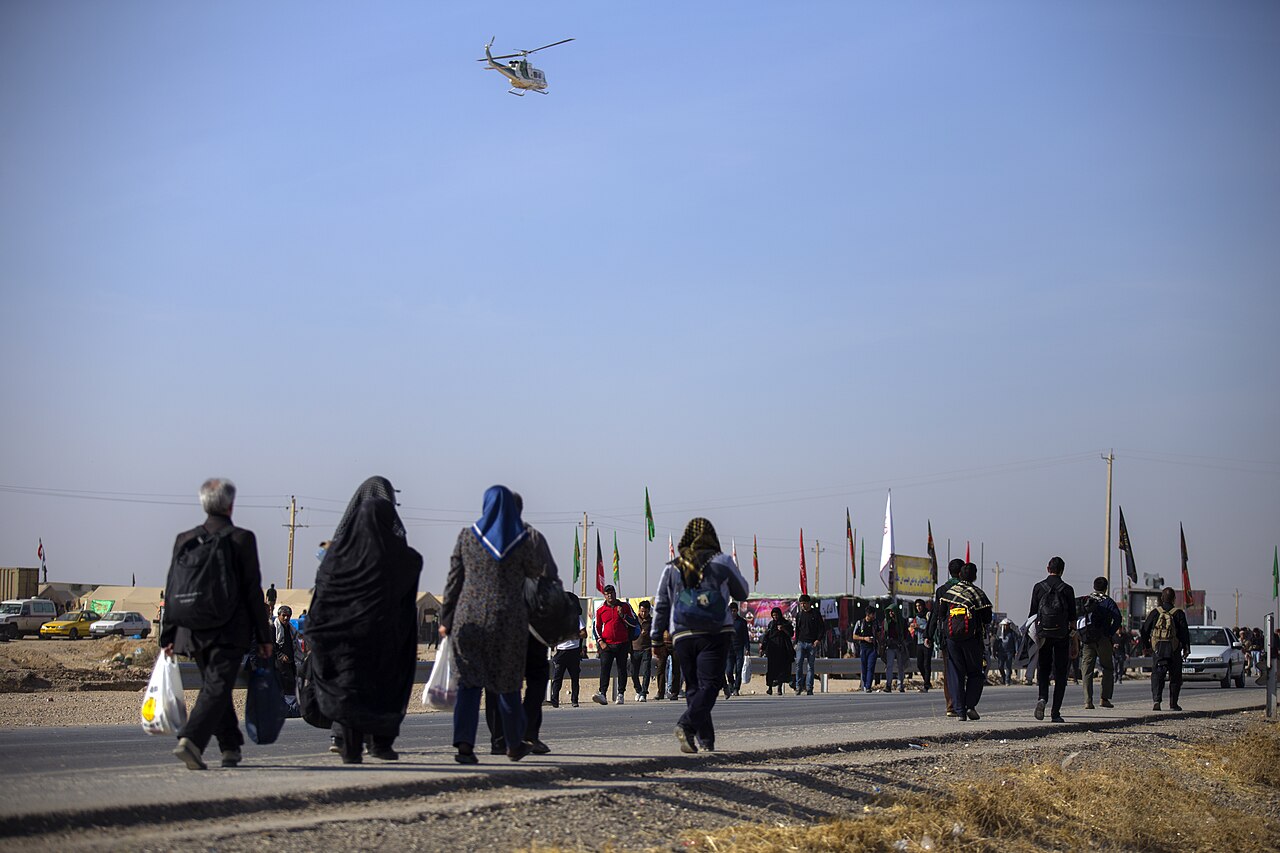
Mostafameraji · CC BY-SA 4.0
Photojournalism is journalism that uses images to tell a news story, typically still images but also video in broadcast journalism. It is distinguished from other branches of photography by a rigid ethical framework demanding an honest and impartial approach, telling a story in strictly journalistic terms. Photojournalists contribute to the news media, help communities connect, and must be well-informed and knowledgeable, delivering news in a creative manner that is both informative and entertaining.
- field
- Photojournalism
- known_for
- Using images to tell news stories with an ethical, impartial approach
- origins
- Mid 19th century, with innovations in printing and photography
- golden_age
- 1930s through 1950s
Lore & Background
The practice of illustrating news stories with photographs was made possible by mid-19th-century printing and photography innovations. During the Crimean War, Roger Fenton, the first official war photographer, documented troops, landscapes, and commanders, laying groundwork for modern photojournalism. American Civil War photographs by Mathew Brady were engraved before publication in Harper's Weekly, as technology could not yet print photographs in newspapers.
Reader's Guide
Photojournalism expanded with pioneers like John Thomson, who in the late 1870s published Street Life in London, using printed photographs as the predominant medium for information. Magazines like Berliner Illustrirte Zeitung pioneered the photo-essay and candid photography. Famous photographers included Robert Capa, Alfred Eisenstaedt, Margaret Bourke-White, and W. Eugene Smith. Henri Cartier-Bresson and Erich Salomon are both cited as fathers of modern photojournalism. The Spanish Civil War saw photojournalism used for propaganda. World War II photographers like Julien Bryan (color Kodachrome), William Vandivert (color Blitz), and Tony Vaccaro (developing images in soldier's helmets) captured pivotal moments. Until the 1980s, most newspapers used letterpress printing with poor photo reproduction; Life magazine, by contrast, used high-quality inks and glossy paper for beautiful reproductions.
Did You Know?
- Roger Fenton was the first official war photographer, documenting the Crimean War.
- Tony Vaccaro developed his own World War II images in soldier's helmets using chemicals found in a ruined camera store.
The Reporter Behind the Lens
Photojournalism occupies a unique space in the visual arts. While documentary photography, street photography, war photography, and celebrity photography all rely on still images, photojournalism sets itself apart through a strict ethical code that demands honesty, impartiality, and a purely journalistic narrative. The photojournalist is, in essence, a reporter who happens to work with a camera rather than a typewriter. They must be deeply informed about their subjects and capable of delivering news in a way that is simultaneously informative and engaging. Unlike a studio photographer, a photojournalist frequently operates under extreme pressure, making split-second creative decisions while hauling heavy equipment through hostile conditions. They face physical danger, punishing weather, dense crowds, and restricted access to the people and events they need to document. Their work serves a vital communal function, helping different groups within a society understand and connect with one another through the visual record of current events.
War, Engravings, and the First News Images
The roots of photojournalism stretch back to the mid-nineteenth century, when advances in both printing and photography made it possible to pair images with news reporting. Before that, newspapers like The Times had used hand-drawn illustrations, such as the 1806 depiction of Lord Nelson's funeral, but the Illustrated London News, launched in 1842, became the first weekly paper to regularly feature visual storytelling through engravings. The very first photograph to illustrate a newspaper story captured barricades in Paris during the June Days uprising of 1848 and appeared as an engraving in L'Illustration. During the Crimean War, the ILN printed images taken by Roger Fenton, widely regarded as the first official war photographer. His work ranged from troop conditions to landscape panoramas and commander portraits, establishing visual conventions that still shape the field. In the American Civil War, Mathew Brady's photographs were engraved for Harper's Weekly, though the technology could not yet reproduce photographs directly in print, limiting their reach.
From Supplement to Storytelling Tool
For decades after the first news photographs, images served merely as decorative accompaniments to written text. That paradigm shifted in the late 1870s when John Thomson, working alongside journalist Adolphe Smith, launched Street Life in London from 1876 to 1877. Their monthly magazine documented the lives of London's street dwellers and, crucially, positioned the printed photograph as the primary vehicle of information rather than a supplement to the word. In 1880, the New York Daily Graphic printed the first halftone reproduction of a news photograph, moving beyond the engraving method. The invention of flash powder in 1887 opened indoor spaces to photographers like Jacob Riis, whose 1890 book How the Other Half Lives became a landmark. By 1897, halftone photography could be reproduced on full-speed printing presses, and the wirephoto of 1921 allowed images to travel nearly as fast as the news they depicted. These cumulative breakthroughs transformed photography from a novelty into a core journalistic medium.
The Golden Age and the Modern Magazine
The period from the 1930s through the 1950s is widely regarded as the Golden Age of photojournalism, made possible by two key technological developments: the compact 35mm Leica camera introduced in 1925 and the first flash bulbs appearing between 1927 and 1930. Together, they gave photographers genuine freedom to move, shoot candidly, and work in low light. A new generation of publications embraced photography as the dominant storytelling medium over text. The Berliner Illustrirte Zeitung, which began printing photographs inside its pages as early as 1901, pioneered the illustrated news magazine format, the photo-essay, and the use of candid images captured with smaller cameras. It employed dedicated photographic staff, including pioneer sports photographer Martin Munkácsi and Erich Salomon, a foundational figure in the field. Other influential titles included Vu in France, and Life and Look in the United States, all of which cemented the visual news narrative as a defining feature of modern journalism.
Gallery
Frequently Asked Questions
What is Photojournalism?
Photojournalism is a branch of journalism that relies on still images—and, in broadcast contexts, video—to convey a news story. It operates under a strict code of ethics that requires honesty and impartiality in every frame, distinguishing it from purely artistic or commercial photography.
What defines Photojournalism's Golden Age?
The Golden Age stretched from the 1930s through the 1950s, a period when photojournalism became a dominant storytelling force in newsrooms worldwide. During those decades, the medium shaped public understanding of major global events more powerfully than ever before.
How does Photojournalism differ from other branches of photography?
Where fine-art or commercial photography prioritizes the creator's vision, photojournalism is bound by a rigid ethical framework that demands an honest, impartial, and strictly journalistic approach. The image must serve the story and the public's right to accurate information above all else.
Why does Photojournalism matter to communities and the news media?
Photojournalists help communities stay connected by delivering news in a creative way that is both informative and engaging. Their work documents events with journalistic integrity, ensuring the public receives well-informed, accessible storytelling that holds power accountable.
More in Media And Publishing 1-24
Spotted an error? Know more?
This is a living reference — every entry is fact-audited, and reader corrections feed straight into our audit queue. Suggest an edit · See this site's audit record