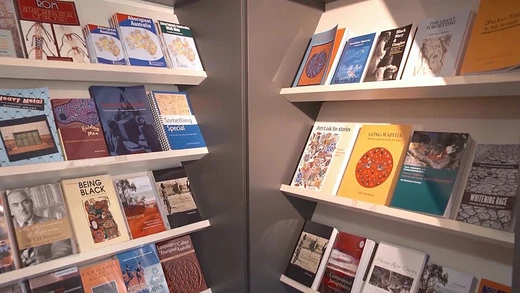
Multimedia
A combination of multiple media forms into one presentation.

Caspter · CC0
Multimedia is a form of communication that uses a combination of different content forms, including text, audio, images, animations, and video, into a single presentation. It contrasts with traditional mass media, which typically feature only one form of media content.
Lore & Background
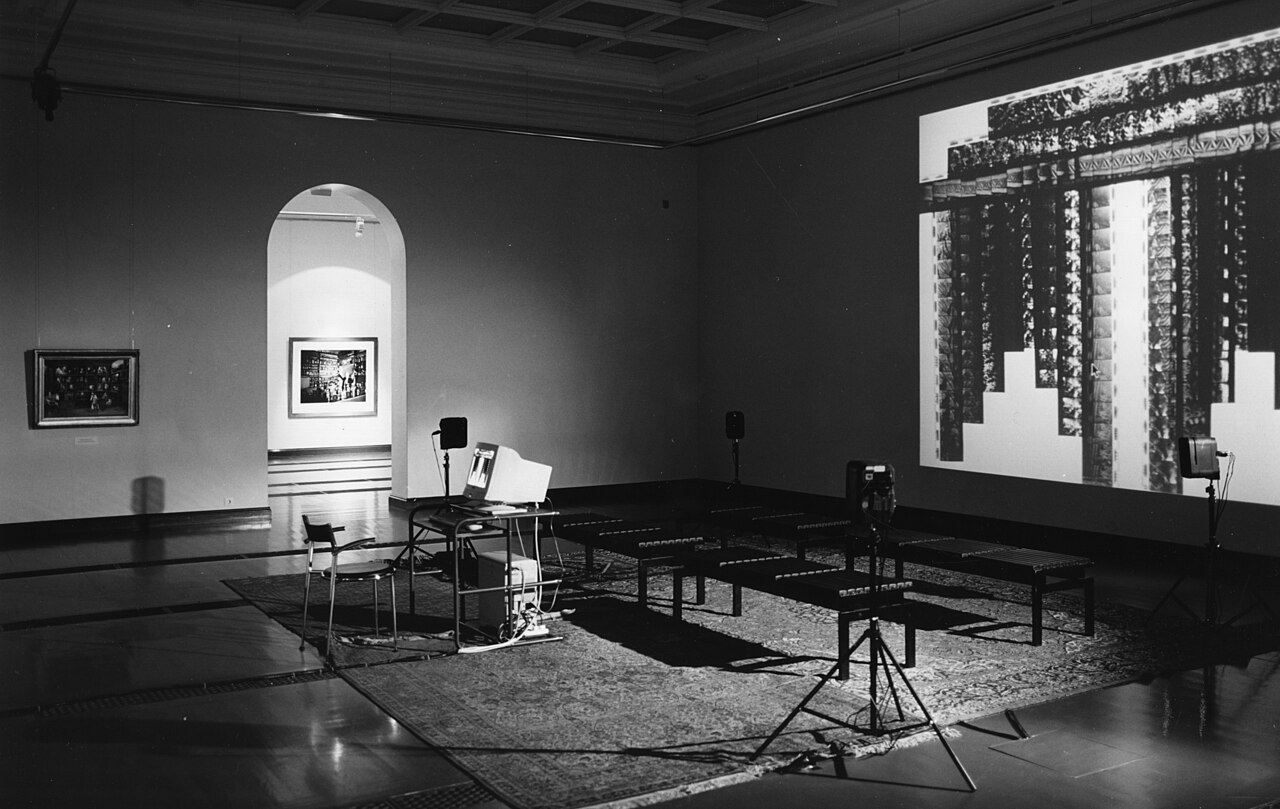
In the late 1970s, the term referred to multi-projector slide shows timed to an audio track, but by the 1990s it had taken on its current meaning.
Reader's Guide
Multimedia's significance lies in its integration of multiple content forms—text, audio, images, video, and animation—into interactive presentations, enabling enhanced communication and user engagement. Multimedia has since expanded into web-based streaming, haptic technology, and emerging illusions of taste and smell, while remaining a key tool in education, entertainment, and art.
Origins of the Term
The word "multimedia" traces back to a 1966 nightclub show in Southampton, New York, on Long Island. Singer and artist Bob Goldstein, later known as Bobb Goldsteinn, coined the phrase to market the July 1966 opening of his "Lightworks at L'Oursin" performance, a fusion of music and visual elements staged as discothèque entertainment. On August 10, 1966, Variety reporter Richard Albarino picked up the terminology in a column describing Goldstein's production as the latest music-and-visuals act to debut in that venue. Goldstein may have been influenced by American artist Dick Higgins, who had earlier proposed a concept he called "intermedia" for a new approach to art-making. By 1968, the term was re-appropriated to describe the work of political consultant David Sawyer, husband of one of Goldstein's producers at L'Oursin. Over the following four decades the word shifted meaning: in the late 1970s it described multi-projector slide shows synchronized to an audio track, but by the 1990s it settled into its modern sense of combining multiple content forms into a single interactive presentation.
Building Blocks and Content Forms
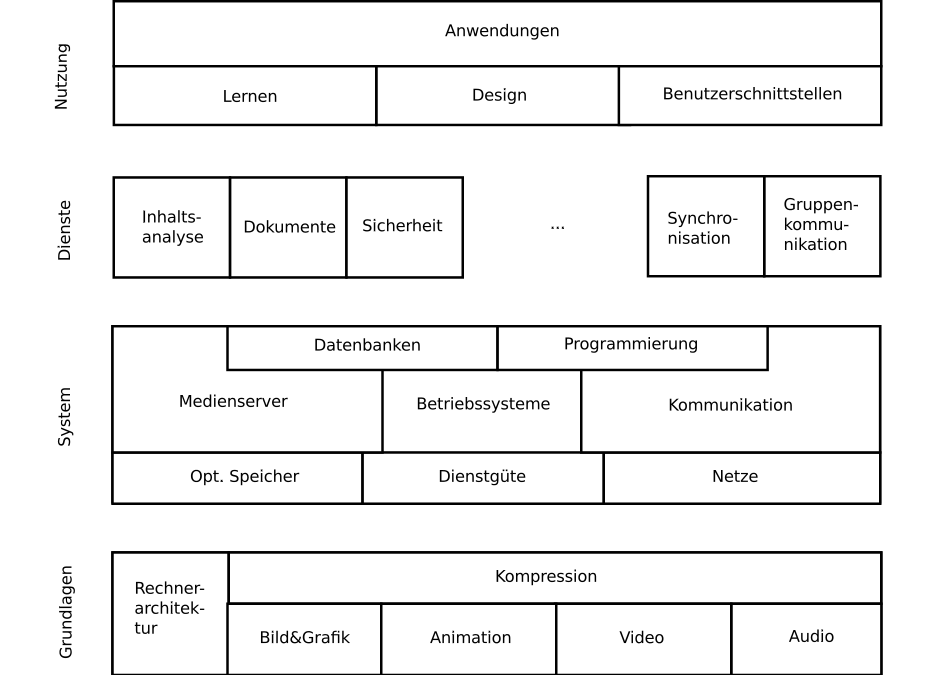
Multimedia rests on five foundational content types—text, image, audio, video, and animation—each fulfilling a distinct communicative role. Text provides the contextual backbone, carrying information and narrative structure. Audio layers in music, sound effects, and voiceovers to deepen the sensory experience, with recent advances in spatial audio and sophisticated sound design expanding its possibilities. Static images, from photographs to illustrations, now benefit from high-resolution and 3D imaging technologies. Video delivers dynamic, moving content, pushed further by high-definition, 4K, and 360-degree formats that intensify viewer engagement. Animation brings characters and stories to life by generating motion from still frames, a technique central to film, television, and video games. A sixth, emerging category—generation—encompasses media produced through algorithmic or artificial intelligence systems, where text, images, audio, video, or animation are created in response to user input. Together, these elements combine under the principles of effective interactive communication to form a unified presentation, in contrast to traditional mass media that rely on a single content form.
Hardware, Storage, and the Authoring Revolution
The 1990s saw a convergence of computing power and storage capacity that transformed multimedia from a niche concept into a mainstream reality. Machines like the Amiga 1000 could render up to 4096 colors in 12-bit depth, output to televisions and VCRs, and produce four-voice stereo audio—capabilities that earned such machines the label "multimedia computers." Equally critical was the leap in removable storage: a standard CD-ROM held roughly 700 megabytes, dwarfing the 1.44-megabyte average capacity of a 3.5-inch floppy disk. That extra headroom allowed far larger digital media files and, consequently, far more complex interactive presentations. On the software side, early authoring tools laid the groundwork. The Smithsonian noted that VirtulVideo Producer, a 1985 DOS application, was likely the first multimedia authoring system on the market. Its later rebranded incarnation, Tempra Show, shipped with the 1993 first edition of Tay Vaughan's book Multimedia: Making It Work, signaling that the tools for creating such content had become accessible to a much broader audience.
Cultural Footprint and Shifting Definitions
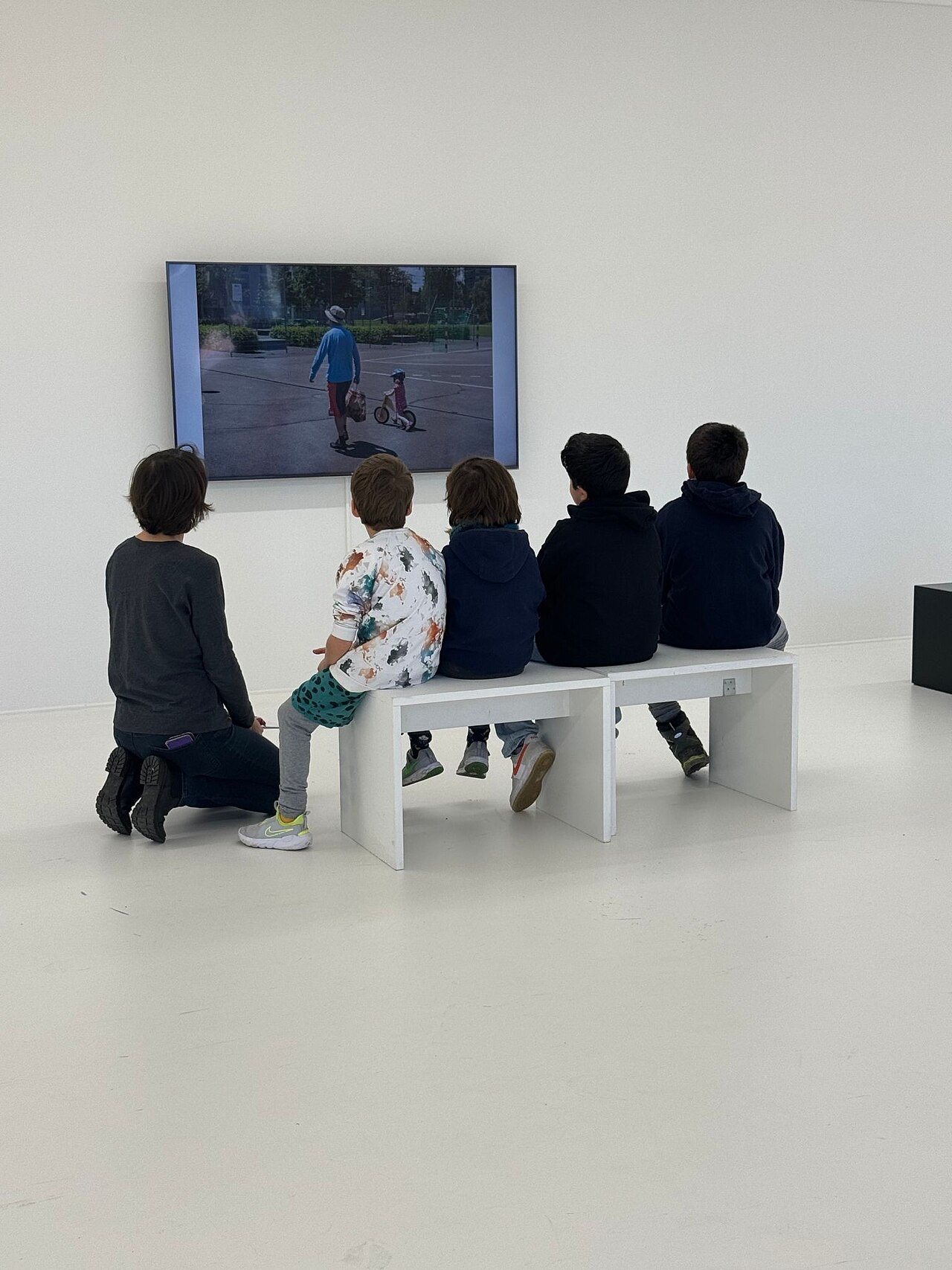
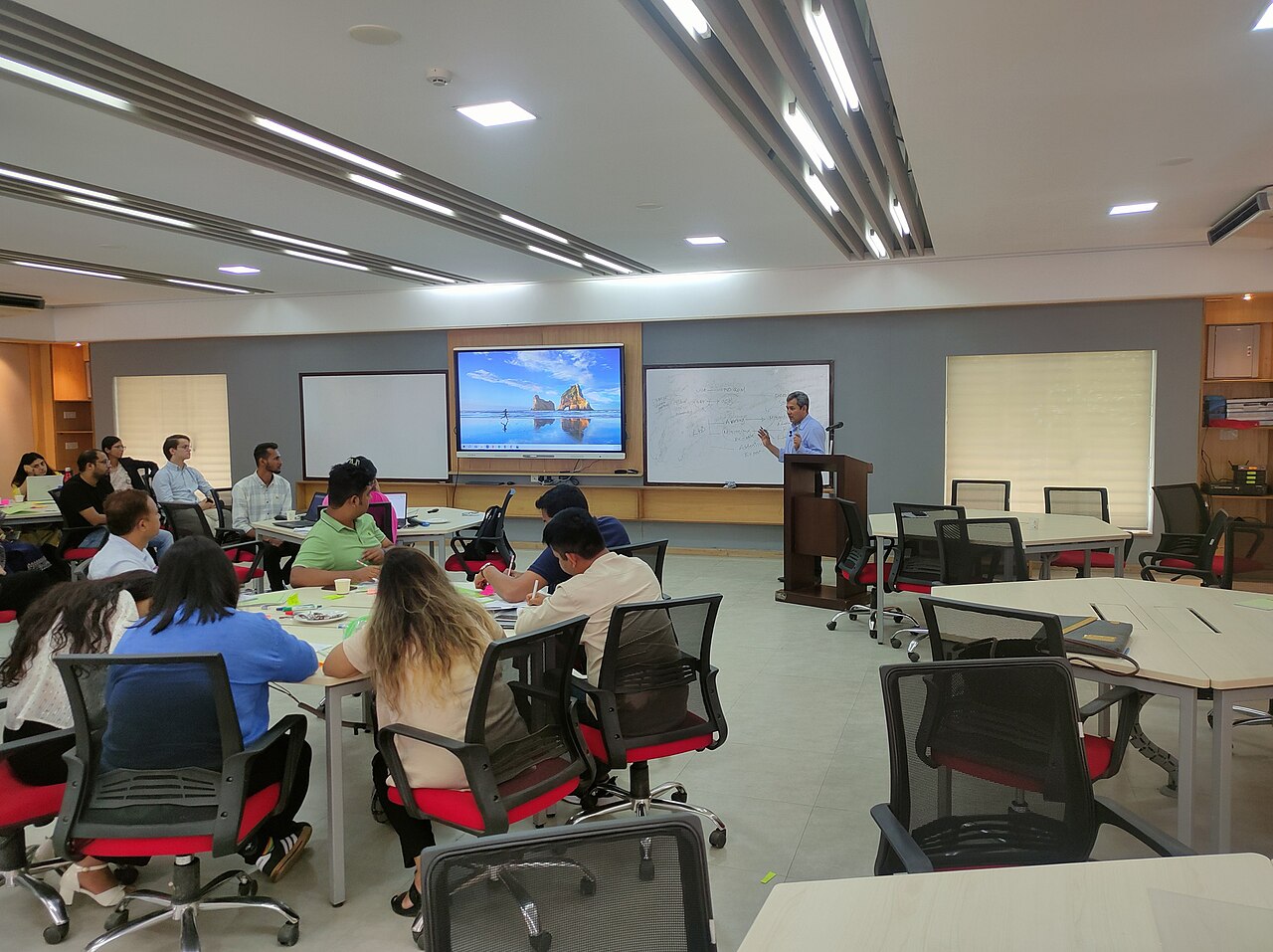
Multimedia's cultural penetration was recognized in 1995 when the German language society Gesellschaft für deutsche Sprache named the word its "Word of the Year," acknowledging its ubiquity in everyday discourse. Yet the term remains slippery. In multimedia contexts, "video" can refer to a file format, a delivery method, or a presentation style rather than strictly motion photography, while "footage" and "animation" carve out narrower meanings. Single-form content processed interactively may still be labeled multimedia to distinguish active media from static. In the fine arts, Leda Luss Luyken's ModulArt weaves musical variation and cinematic movement into painting, creating an interactive multimedia form. Performing arts, with their blend of performers, props, and multiple content streams, also qualify. In modern life, smartphones, video game consoles, and computers are routinely called "multimedia devices" because each handles reading, writing, recording, music, and gaming beyond its primary function. And where earlier media was inherently local, streaming and web-based solutions now deliver much of it across the internet.
Gallery
Frequently Asked Questions
What is Multimedia?
Multimedia is the practice of blending multiple content types—text, audio, images, animation, and video—into one unified presentation. It stands apart from conventional mass media, which typically delivers a single content form at a time.
Who popularized the term "multimedia"?
Singer and artist Bob Goldstein, later known as Bobb Goldsteinn, is credited with bringing the term into wider popular use, even though the word itself predated his work.
How does Multimedia differ from traditional mass media?
Traditional mass media generally presents a single form of content—such as a text-only newspaper or an audio-only radio broadcast—whereas multimedia integrates multiple distinct content forms simultaneously within one presentation.
More in Media And Publishing 1-24
Spotted an error? Know more?
This is a living reference — every entry is fact-audited, and reader corrections feed straight into our audit queue. Suggest an edit · See this site's audit record